Beginning with wearable technology innovations, the narrative unfolds in a compelling and distinctive manner, drawing readers into a story that promises to be both engaging and uniquely memorable.
These innovations have redefined our interaction with technology, particularly in the realms of health and fitness. From smartwatches to fitness trackers, wearable devices offer real-time data that empower users to lead healthier lives. As we delve into the latest trends and examples, it becomes evident how these devices are not just gadgets but essential tools in modern society.
Wearable Technology Innovations Overview
Wearable technology innovations represent a significant evolution in how individuals interact with digital devices, emphasizing convenience, health monitoring, and connectivity. These advancements have transformed various aspects of daily life, particularly in health and fitness, allowing users to track their well-being seamlessly and engage with technology in more intuitive ways. With the growing integration of smart devices into our lives, understanding these innovations is crucial.Innovative wearable devices are designed to provide users with real-time data, empowering them to make informed decisions about their health and lifestyle.
The significance of these technologies lies in their ability to blend functionality with accessibility, making it easier than ever for individuals to maintain a healthy lifestyle. Recent trends showcase a surge in devices that focus on health and fitness, highlighting the increasing importance of wellness in modern society.
Latest Trends in Health and Fitness Wearables
The health and fitness wearables market has seen remarkable growth, driven by technological advancements and consumer demand for smart solutions. Various trends have emerged, highlighting the integration of cutting-edge features in these devices. The following points Artikel key trends shaping the wearable technology landscape:
- Integration of Artificial Intelligence: Wearable devices are increasingly employing AI to analyze user data, providing personalized health insights and recommendations.
- Focus on Mental Health: New wearables are prioritizing mental wellness features, such as stress tracking and mindfulness exercises, enhancing users’ overall well-being.
- Advanced Biometric Sensors: Cutting-edge sensors are now capable of monitoring various health metrics, including heart rate variability, blood oxygen levels, and even sleep quality.
- Seamless Connectivity: Devices are designed to sync effortlessly with smartphones and other IoT devices, allowing users to access their health data in one centralized location.
- Fashion-Forward Designs: As wearables become more mainstream, manufacturers are focusing on aesthetics, creating stylish options that appeal to a broader audience.
Innovative wearable devices have emerged as leaders in the market, revolutionizing how people approach health and fitness. Examples of such devices include:
- Apple Watch: A pioneering smartwatch that combines fitness tracking with a wide array of health monitoring features, including ECG and blood oxygen level measurement.
- Fitbit Charge: A fitness tracker known for its user-friendly interface and comprehensive health tracking features, such as sleep tracking and heart rate monitoring.
- Oura Ring: A sleek ring that monitors sleep quality, activity levels, and readiness metrics, providing users with insights into their overall health.
- Whoop Strap: A performance optimization tool that tracks strain, recovery, and sleep, catering especially to athletes and fitness enthusiasts.
Each of these devices has made significant contributions to how users engage with their health data, promoting a proactive approach to wellness and fitness. As technology continues to evolve, it is evident that these innovations will play an increasingly vital role in shaping healthier lifestyles.
Integration of Wearable Technology in Different Fields
Wearable technology has permeated various industries, showcasing its versatility and potential to enhance efficiency and effectiveness. From healthcare to sports and workplace safety, these innovative devices are reshaping how professionals monitor performance, ensure safety, and promote wellness. This integration not only offers practical benefits but also drives significant advancements in each field.
Wearable Technology in Healthcare and Medical Fields
In the healthcare sector, wearable technology plays a crucial role, particularly in remote patient monitoring. This innovation allows healthcare providers to track patients’ vital signs in real-time, resulting in improved patient outcomes and reduced hospital visits. Devices such as smartwatches and fitness trackers can monitor heart rates, blood pressure, and glucose levels, sending alerts to healthcare professionals when anomalies are detected.
The adoption of wearables in healthcare has led to the following key developments:
- Remote Patient Monitoring: Patients with chronic conditions can be monitored from home, which improves their quality of life and provides immediate medical intervention if necessary.
- Data Collection: Continuous data from wearable devices can help in the early detection of health issues, enabling proactive healthcare measures.
- Telehealth Integration: Wearables facilitate virtual consultations, allowing doctors to assess patients based on real-time data rather than relying solely on self-reported symptoms.
- Medication Adherence: Wearables can remind patients to take their medications, thereby improving compliance and treatment effectiveness.
Impact of Wearable Devices in Sports and Fitness
In the realm of sports and fitness, wearable technology has revolutionized performance tracking and improvement. Athletes and fitness enthusiasts rely on devices such as fitness trackers and smart sports gear to monitor their activity levels, heart rates, and other biometrics during workouts and competitions. The following points illustrate the impact of wearables in this field:
- Performance Tracking: Wearables provide insights into athletes’ performance, allowing them to analyze their training methods and make data-driven decisions for improvement.
- Goal Setting: Users can set fitness goals and track their progress over time, fostering motivation and adherence to training programs.
- Injury Prevention: By monitoring physical strain and fatigue levels, wearables can help prevent injuries by informing users when they need to rest or adjust their training intensity.
- Personalized Training Plans: The data collected can be used to create tailored training regimens that align with individual goals and performance metrics.
Wearable Technology in Workplace Safety and Productivity
Wearable technology has also made significant strides in enhancing workplace safety and productivity. Industries such as construction and manufacturing have implemented wearable devices to monitor worker safety and ensure compliance with safety protocols. Here are several notable applications of wearables in this context:
- Real-Time Hazard Alerts: Wearables can detect environmental hazards and alert workers immediately, reducing the risk of accidents.
- Location Tracking: In large work sites, wearables can track the location of employees, ensuring they are safe and accounted for, especially in emergencies.
- Health Monitoring: Devices can monitor workers’ health metrics, such as heart rate and fatigue levels, allowing for timely interventions when necessary.
- Productivity Analysis: Wearable technology can help employers understand work patterns, identifying areas for improvement and optimizing workflows.
Future Prospects and Challenges of Wearable Technology
As wearable technology continues to advance at a rapid pace, the future holds exciting possibilities alongside significant challenges. Innovations like smart textiles and augmented reality glasses are on the horizon, promising to revolutionize how we interact with our environment and manage our health. However, these advancements bring notable security and privacy issues that need to be addressed to fully harness their potential while safeguarding user information.
Advancements in Wearable Technology
The next decade is likely to see tremendous growth in wearable technology, with smart textiles and augmented reality glasses leading the charge. Smart textiles are fabrics embedded with sensors and electronics, allowing them to monitor vital signs, track physical activity, and even respond to environmental changes. This integration into everyday clothing opens up possibilities for seamless health monitoring and enhanced user experiences.
Augmented reality (AR) glasses represent another frontier. Devices like Google Glass and Microsoft HoloLens have already made strides, but the future will likely see lighter, more affordable models with improved interfaces. These glasses could provide hands-free access to information, enhancing industries from healthcare to entertainment. The immersive experience they offer can facilitate training simulations, remote assistance, and enriched consumer interactions, fundamentally altering how we perceive and engage with the world around us.
Security and Privacy Challenges
While the prospects are promising, the integration of wearable technology raises significant security and privacy concerns. Users are often unaware of the data being collected by their devices and how it is utilized. This lack of transparency can lead to misuse of sensitive information, which is particularly concerning in health-related applications where personal data can be highly sensitive.The potential for data breaches is heightened with the increasing connectivity of these devices.
Hackers could exploit vulnerabilities, leading to unauthorized access to personal health information or location data. Companies need to implement robust security measures, including encryption and regular software updates, to protect users’ information. Moreover, establishing clear regulatory frameworks to govern data use and privacy will be essential in building consumer trust in wearable technology.
Market Trends and Monetization Potential
The market for wearable technology is poised for impressive growth, with estimates suggesting it could reach over $150 billion in the next decade. This rapid expansion is driven by increasing consumer demand for health-monitoring devices and the integration of IoT technologies. Businesses are also recognizing the potential for monetization through subscription models for health data analytics, premium app features, and targeted advertising based on user preferences.Key trends influencing this market include the rise of telehealth services, which have gained popularity during the pandemic, and the growing awareness of preventive healthcare.
Companies investing in wearables that offer integrated services, such as telemedicine consultations or personalized health insights, are likely to find lucrative opportunities. As consumers become more health-conscious, the demand for wearables that provide real-time data and actionable insights will continue to rise, paving the way for innovative business models and partnerships.
Conclusion
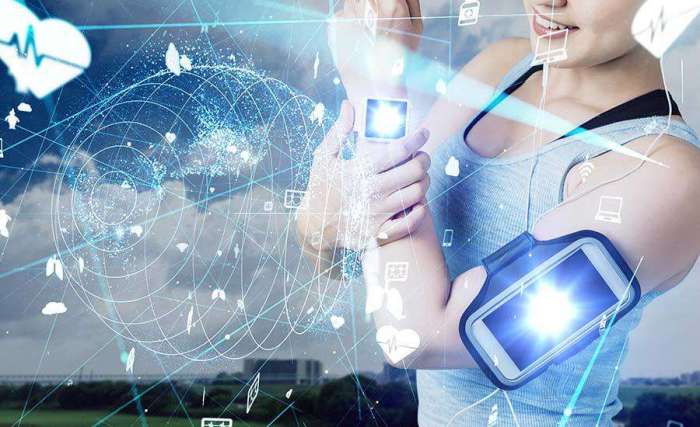
In conclusion, wearable technology innovations are at the forefront of transforming various aspects of our lives, from healthcare to sports and workplace safety. As we look ahead, the potential for advancements is vast, yet challenges such as privacy and security remain critical issues. Embracing these innovations will require a balance between technological progress and ethical considerations, ensuring a safer and more connected future.
FAQ Resource
What is wearable technology?
Wearable technology refers to electronic devices that are worn on the body, often incorporating advanced sensors to collect data and provide feedback to the user.
How do wearable devices benefit health and fitness?
They track various metrics such as heart rate, steps, and sleep patterns, helping users monitor their health and fitness levels effectively.
Are there any privacy concerns with wearable technology?
Yes, privacy concerns arise due to the data collected by wearable devices, which can include sensitive personal information that needs to be protected.
What industries use wearable technology?
Wearable technology is utilized across various industries, including healthcare, sports, manufacturing, and workplace safety.
What is the future of wearable technology?
The future of wearable technology includes advancements like smart textiles, augmented reality, and improved data security measures, promising even greater integration into daily life.