DevOps and CI/CD tools are revolutionizing the way software is developed and deployed, emphasizing collaboration, automation, and efficiency. In today’s fast-paced digital landscape, these practices help teams deliver high-quality software at an unprecedented speed, bridging the gap between development and operations.
By integrating continuous integration and continuous deployment (CI/CD) into their workflows, organizations can streamline processes, reduce manual errors, and ensure timely updates, making them more competitive in the market.
Overview of DevOps and CI/CD Tools
DevOps represents a cultural shift in software development, bridging the gap between development and operations teams. This approach emphasizes collaboration, automation, and iterative processes, which are crucial in an era that demands rapid software delivery and continuous improvement. By fostering a culture of shared responsibility and transparency, DevOps enhances efficiency and accelerates the time to market for new features and products.The integration of Continuous Integration (CI) and Continuous Deployment (CD) practices within DevOps is pivotal.
CI/CD enables teams to automate the process of software delivery, ensuring that code changes are automatically tested and deployed. This not only reduces the risks associated with manual deployments but also enhances product quality through frequent updates and feedback loops. Several tools are instrumental in facilitating these practices, each with unique features tailored to diverse project needs.
Key CI/CD Tools in the Market
An overview of key CI/CD tools reveals their unique functionalities and benefits, helping teams select the right tool for their workflows. Below are some of the most popular CI/CD tools, each with specific strengths:
- Jenkins: An open-source automation server that boasts a rich plugin ecosystem. Jenkins supports building, deploying, and automating software projects, making it highly customizable and adaptable to various environments.
- GitLab CI: Integrated within the GitLab platform, GitLab CI allows for seamless version control, CI/CD pipelines, and robust collaboration features. Its user-friendly interface simplifies the process of managing deployments and includes built-in security features.
- CircleCI: Known for its speed and efficiency, CircleCI offers cloud-based CI/CD solutions with powerful orchestration features. Its ability to parallelize jobs reduces build times significantly, appealing to teams that prioritize quick feedback and deployment cycles.
When considering the use cases and efficiencies of these tools, it’s essential to evaluate how they address specific project needs and team dynamics. For instance, Jenkins is ideal for teams seeking full customization and flexibility, while GitLab CI suits those already using GitLab for version control, streamlining the integration process. CircleCI, known for its high performance, is often favored by teams focused on rapid iteration and deployment, particularly in microservices architectures.
“In the realm of software development, the choice of CI/CD tools can significantly influence the speed, reliability, and quality of software delivery.”
By understanding the distinct characteristics of these CI/CD tools, teams can make informed decisions that align with their operational goals and enhance their DevOps practices.
Integration with Web Hosting and Domain Names
In the world of web development, the integration of DevOps practices with web hosting and domain name management is crucial for streamlined operations and enhanced performance. By leveraging DevOps methodologies and CI/CD (Continuous Integration/Continuous Deployment) tools, organizations can efficiently manage their web hosting environments and domain operations, ensuring that their web applications are always up to date and reliable.DevOps practices facilitate better collaboration between development and operations teams, allowing for increased automation and efficiency in managing web hosting services.
This includes automating the provisioning of servers, configuring environments, and managing domain names. By utilizing CI/CD pipelines, teams can ensure that code changes are automatically deployed to web hosting platforms, significantly reducing the time it takes to bring new features and updates to users.
Automated Deployment with CI/CD Pipelines
Integrating CI/CD pipelines with web hosting services provides a robust solution for automating deployments. This process enhances the speed and reliability of delivering applications to the production environment. Below are key methods and tools that can be employed to achieve seamless integration:
1. Version Control System Integration
Using systems like Git allows for automatic triggering of CI/CD workflows when code is pushed to a repository. This ensures that the latest code is always available for deployment.
2. Continuous Deployment Tools
Tools such as Jenkins, CircleCI, and GitLab CI/CD can be configured to automate deployment to web hosting environments. These tools can manage and execute build scripts, run tests, and deploy successful builds directly to production servers.
3. Containerization with Docker
By containerizing applications, you can easily deploy them in any environment without worrying about inconsistencies. Docker images can be built and pushed to container registries automatically through CI/CD pipelines.
4. Infrastructure as Code (IaC)
Tools like Terraform or AWS CloudFormation allow teams to manage server configurations and network setups through code. This means web hosting environments can be provisioned and updated automatically alongside application changes.
5. Domain Management Automation
Integrating domain management services such as AWS Route 53 or Google Cloud DNS into CI/CD pipelines enables automatic updates to domain records, ensuring that changes are reflected immediately without manual intervention.
“Automating deployment processes not only reduces human error but also allows teams to focus on innovating rather than managing infrastructure.”
Real-world examples demonstrate the success of implementing DevOps and CI/CD in web projects. For instance, a prominent e-commerce platform utilized Jenkins and Docker for their CI/CD processes, enabling them to deploy updates multiple times a day without downtime. Another example is a SaaS company that integrated their domain management with GitHub Actions, allowing automatic DNS updates whenever new features were launched.By incorporating these practices, organizations can experience enhanced performance and reliability, ensuring a better user experience and reducing lead times for new features.
The synergy between DevOps practices and web hosting management is not just beneficial; it is essential for staying competitive in today’s fast-paced digital environment.
The Role of CI/CD in Web Design and Development
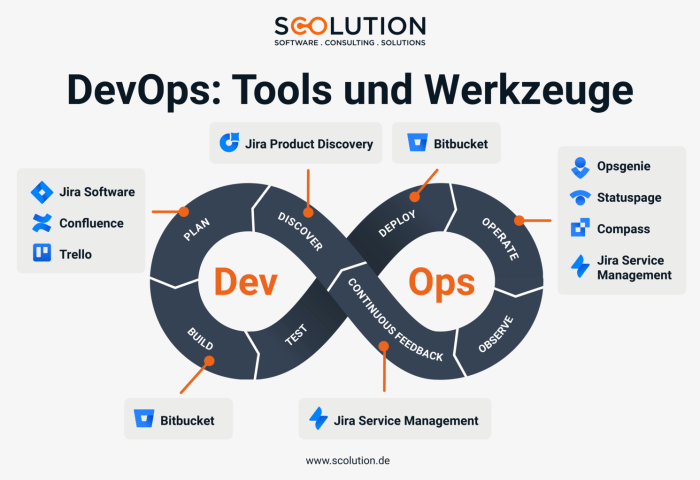
Continuous Integration (CI) and Continuous Deployment (CD) have transformed the landscape of web design and development by streamlining workflows, enhancing collaboration, and improving overall productivity. These practices enable teams to automate the integration of code changes, ensuring that new features can be deployed rapidly and reliably. As web projects grow in complexity, CI/CD tools become essential in maintaining code quality while facilitating seamless updates.The impact of CI/CD on web design workflows is profound.
By integrating these practices, developers can focus on writing code while automation handles the tedious tasks of testing and deployment. This results in faster feedback loops, as any issues in the codebase can be identified and resolved quickly, preventing bottlenecks that often derail project timelines. Moreover, CI/CD fosters a culture of collaboration among team members, as everyone works on a shared codebase that is constantly updated, reducing conflicts and enhancing team cohesion.
Best Practices for Incorporating CI/CD into Web Development Projects
Implementing CI/CD requires a strategic approach to maximize its benefits. Here are some best practices that can enhance productivity in web development projects:
1. Automate Testing
Create a robust suite of automated tests that run with each code change. This minimizes the risk of introducing bugs and ensures that all features work as expected.
2. Use Version Control
Leverage a version control system such as Git. This enables developers to track changes, collaborate efficiently, and roll back to previous versions when necessary.
3. Implement Frequent Deployments
Aim for smaller, more frequent deployments rather than large, infrequent releases. This reduces the complexity of each deployment and allows for quicker user feedback.
4. Monitor Performance and Errors
Integrate monitoring tools to track application performance and error reporting. This visibility helps in identifying and addressing issues proactively.
5. Maintain a Clean Codebase
Encourage coding standards and regular refactoring. A clean codebase is easier to work with and less prone to errors, which supports the CI/CD process.
Challenges Faced in Web Design When Implementing CI/CD
While the benefits of CI/CD are substantial, various challenges can arise during implementation. Recognizing these obstacles and proactively addressing them is crucial for a successful transition.One common challenge is resistance to change among team members who may be accustomed to traditional workflows. To counter this, effective training and clear communication about the benefits of CI/CD can help ease the transition.
Another challenge is the complexity of setting up CI/CD pipelines, which may require significant initial investment in time and resources. Investing in user-friendly tools and platforms can simplify this process.There can also be discrepancies in environments, as local development setups may differ from production environments, leading to issues when deploying code. To mitigate this risk, employing containerization technologies like Docker can ensure consistency across development, testing, and production environments.
“CI/CD practices lead to higher quality software, faster delivery times, and improved team collaboration.”
By addressing these challenges and implementing best practices, teams can leverage CI/CD to significantly enhance their web design and development processes, leading to a more agile and responsive development environment.
Conclusion
In conclusion, the adoption of DevOps and CI/CD tools not only enhances software development processes but also significantly improves web design and hosting management. As businesses continue to embrace these methodologies, they unlock new levels of productivity and collaboration, paving the way for innovative solutions in the tech landscape.
FAQ Guide
What is DevOps?
DevOps is a set of practices that combines software development (Dev) and IT operations (Ops) to enhance collaboration and productivity, aiming for shorter development cycles and more frequent deployment.
How do CI/CD tools work?
CI/CD tools automate the process of code integration, testing, and deployment, enabling teams to release software updates more frequently and reliably.
Can CI/CD tools be used with any programming language?
Yes, most CI/CD tools support multiple programming languages and frameworks, making them versatile for various projects.
What are some common challenges in implementing CI/CD?
Common challenges include resistance to change within teams, insufficient automation, and the complexity of integrating with existing systems.
How do CI/CD tools improve collaboration?
CI/CD tools foster collaboration by providing a shared environment for development and operations, encouraging communication and coordination among team members.