Energy efficient appliances have become a cornerstone of sustainable living, revolutionizing how we approach household energy consumption. These innovative devices not only reduce electricity bills but also play a crucial role in protecting our environment. Understanding their significance can help homeowners make informed choices that benefit both their wallets and the planet.
The market is brimming with various energy efficient appliances, from refrigerators and washing machines to smart thermostats and LED lighting. Each type boasts unique features designed to optimize performance while minimizing energy use. By embracing these appliances, consumers can enjoy a host of benefits, including lower utility costs, enhanced functionality, and a reduced carbon footprint.
Energy Efficient Appliances Overview
Energy efficient appliances are designed to use less energy while providing the same level of performance as traditional appliances. In an era where energy consumption is a significant concern, these appliances play a vital role in reducing carbon footprints and lowering energy bills for households. Their importance is magnified by the rising costs of energy and the growing awareness of environmental sustainability.Energy efficient appliances encompass a wide range of products including refrigerators, washing machines, dishwashers, air conditioners, and more.
These appliances are engineered with advanced technology that minimizes energy consumption without sacrificing quality or functionality. Key features often include better insulation, efficient motors, and smart technology that allows appliances to operate at optimal efficiency based on usage patterns.
Types of Energy Efficient Appliances
The market offers various types of energy-efficient appliances, each designed to serve specific household needs. Here are some common categories along with their features:
- Energy Star Refrigerators: These models use 15% less energy than non-Energy Star refrigerators, often equipped with advanced cooling technology and better insulation to keep food fresher longer.
- High-Efficiency Washing Machines: Utilizing 30% less water and 40% less energy than standard machines, these washers often come with load sensors that adjust water levels based on the size of the load.
- Smart Thermostats: These devices learn user behavior to optimize heating and cooling schedules, reducing energy consumption by as much as 10-15% annually.
- LED Lighting: Consuming up to 75% less energy than incandescent bulbs, LED lighting has a much longer lifespan and provides brighter illumination, making them a popular choice for homeowners.
- Energy Star Dishwashers: These dishwashers use less water per cycle while providing efficient cleaning, with some models consuming as little as 3 gallons of water.
The benefits of using energy efficient appliances extend beyond just savings on utility bills. Consumers can enjoy a more comfortable living environment, while the environment benefits from reduced greenhouse gas emissions. According to the U.S. Department of Energy, if every American household replaced just one incandescent bulb with an Energy Star bulb, it would prevent greenhouse gas emissions equivalent to the electricity used by over 3 million homes annually.
Energy efficient appliances are not just a financial investment; they are a commitment to a sustainable future.
The choice to integrate energy efficient appliances into modern households is increasingly recognized as a logical step towards sustainable living, benefiting both individuals and the planet.
Impact on Energy Consumption
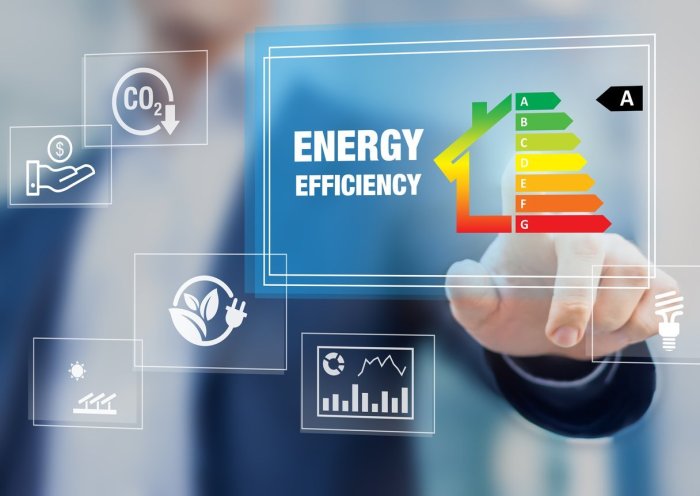
Energy-efficient appliances play a crucial role in reducing energy consumption in households. They not only contribute to lower utility bills but also promote a more sustainable lifestyle. As energy costs rise and environmental concerns become more pressing, the adoption of these appliances is becoming increasingly important for homeowners looking to make a positive impact.The technology behind energy-efficient appliances is designed to consume less energy while providing the same level of performance as traditional models.
This is achieved through advanced engineering, innovative materials, and smart features that allow these devices to operate more efficiently.
Comparison of Energy Usage
When comparing energy usage between traditional appliances and their energy-efficient counterparts, the differences can be staggering. Energy-efficient appliances are typically rated with the ENERGY STAR label, which means they meet strict energy efficiency guidelines set by the U.S. Environmental Protection Agency. For example, a standard refrigerator from the 1990s may use around 1,200 kilowatt-hours (kWh) per year, while a modern ENERGY STAR-rated refrigerator can use about 400 kWh annually.
This represents a savings of approximately 67%, showcasing the significant impact of upgrading to more efficient models.To illustrate the savings, here’s a breakdown of energy consumption for various household appliances:
| Appliance Type | Traditional Appliance Usage (kWh/year) | Energy-Efficient Appliance Usage (kWh/year) | Annual Savings (kWh) |
|---|---|---|---|
| Refrigerator | 1,200 | 400 | 800 |
| Washing Machine | 1,000 | 500 | 500 |
| Dishwasher | 800 | 300 | 500 |
| Dryer | 1,500 | 800 | 700 |
The savings in energy consumption not only translate to lower costs for homeowners but also contribute to a reduced carbon footprint. According to the U.S. Department of Energy, by using ENERGY STAR products, Americans saved about $39 billion on their energy bills in 2020 alone.
“Switching to energy-efficient appliances can lead to a reduction of over 25% in household energy consumption.”
The cumulative effect of using energy-efficient appliances in multiple areas of a household can lead to substantial energy savings. For instance, households that replace multiple old appliances with new, energy-efficient models can see a combined savings of over 1,000 kWh annually, demonstrating how impactful these changes can be on energy consumption.
Related Technology and Gadgets
Energy-efficient appliances have revolutionized the way we consume power in our homes, and when integrated with smart home technology, they can perform even better. The synergy between these devices not only enhances energy savings but also adds convenience and control to our daily lives. As the technology landscape evolves, the potential for homeowners to optimize their energy use grows, making it essential to explore how these appliances work together with smart gadgets to create a more efficient home environment.Smart home technology integration with energy-efficient appliances allows for advanced functionalities, such as remote monitoring, automation, and energy usage analytics.
This relationship ensures that appliances not only consume less energy but also operate more intelligently. For instance, smart thermostats can adjust heating and cooling based on real-time occupancy data, significantly reducing energy wastage. Other devices, like smart plugs and energy monitors, can further enhance the efficiency of appliances by tracking usage patterns and allowing for precise control.
Compatible Smart Devices for Enhanced Functionality
Selecting the right smart devices to complement your energy-efficient appliances is crucial for maximizing energy savings and convenience. Here are several categories of gadgets that can enhance appliance functionality:
1. Smart Thermostats
These devices learn your schedule and adjust heating and cooling accordingly, working seamlessly with energy-efficient HVAC systems to optimize energy consumption.
2. Smart Plugs
By enabling remote control of any plugged-in appliance, smart plugs allow users to schedule and monitor energy usage from their smartphones, ensuring devices are off when not in use.
3. Energy Monitor Systems
These gadgets provide real-time data on energy consumption, helping homeowners identify trends and adjust usage to optimize efficiency.
4. Smart Light Bulbs
These bulbs can adjust brightness and color based on time or occupancy, and when used alongside energy-efficient fixtures, they significantly lower energy costs.
5. Smart Appliances
Many manufacturers now offer appliances that are built with smart technology, allowing for remote operation and real-time energy monitoring.When choosing compatible smart devices for energy-efficient appliances, consider the following factors to ensure seamless integration and enhanced performance:
Compatibility with Existing Systems
Ensure that any smart device you choose can communicate with your appliance’s existing technology, such as Wi-Fi, Zigbee, or Z-Wave.
Functionality and Features
Look for devices that offer features aligning with your energy efficiency goals, such as scheduling, automation, and usage tracking.
User-Friendly Interface
Select gadgets with easy-to-use apps or interfaces that allow for quick adjustments and monitoring from your smartphone or tablet.
Energy Monitoring Capabilities
Devices that provide insights into energy consumption can help you manage your overall energy use effectively.
Brand and Model Specifications
Research to ensure that the smart device is designed to work with your specific appliances, as compatibility can vary widely.By thoughtfully selecting gadgets that align with your energy-efficient appliances, you can create a more sustainable and cost-effective home environment, making the most of today’s technological advancements.
Wrap-Up
In conclusion, the shift towards energy efficient appliances signifies a vital step in fostering a more sustainable future. By making conscious choices, not only do we save money but also contribute to a healthier planet. As technology continues to evolve, integrating these appliances into our daily lives will only become more essential, paving the way for smarter, greener homes.
Questions and Answers
What are energy efficient appliances?
Energy efficient appliances are devices designed to use less energy while maintaining optimal performance, ultimately saving money and reducing environmental impact.
How do I know if an appliance is energy efficient?
Look for the ENERGY STAR label or similar certifications that indicate the appliance meets specific energy efficiency guidelines.
What are the environmental benefits of using energy efficient appliances?
These appliances help lower greenhouse gas emissions, decrease energy consumption, and reduce the demand for non-renewable energy sources.
Can energy efficient appliances really save me money?
Yes, while they may have a higher initial cost, they typically save consumers money over time through reduced energy bills and maintenance costs.
Are there smart home gadgets that work with energy efficient appliances?
Absolutely! Many smart home devices, like smart thermostats and energy monitors, can enhance the functionality and efficiency of energy efficient appliances.