As sell photos online for cash takes center stage, this opening passage beckons readers into a dynamic world ripe with opportunities. The digital age has transformed photography into a lucrative platform where creativity meets commerce. Whether you’re a seasoned professional or an enthusiastic amateur, the internet offers an array of avenues to turn your stunning visuals into a profitable venture.
From leveraging popular online photography platforms to crafting effective marketing strategies, there’s a wealth of knowledge to explore. We’ll dive into essential tools and techniques that can help you effectively showcase your work and connect with potential buyers. Get ready to elevate your photography game and make some cash while doing what you love.
Online Photography Platforms
Selling photos online has become a lucrative avenue for photographers, both amateur and professional. With the rise of the digital age, numerous platforms have emerged that cater to individuals looking to monetize their photographic skills. Understanding the features, benefits, and pricing structures of these platforms can greatly enhance your earning potential.One of the main advantages of selling photos online is the access to a global market.
Photographers can reach a diverse audience, and various platforms offer unique features that can help maximize visibility and sales. Below are some of the most popular platforms where individuals can sell their photos, along with an overview of their features, benefits, and pricing structures.
Popular Photography Platforms
Several well-known online platforms offer photographers the ability to sell their work. Each of these platforms has its own unique features, benefits, and commission rates.
- Shutterstock: Shutterstock is a leading platform that allows photographers to sell their images to a vast audience. It boasts a user-friendly interface and robust search capabilities. The commission structure typically ranges from 15% to 40%, depending on the contributor’s earnings level. Photographers can earn more as their sales increase, incentivizing high-quality uploads.
- Adobe Stock: Adobe Stock integrates seamlessly with Adobe Creative Cloud, making it convenient for users of Adobe products. Photographers can earn 33% commission on each sale, which is competitive compared to other platforms. Additionally, Adobe Stock features a wide range of resources that can help photographers market their images.
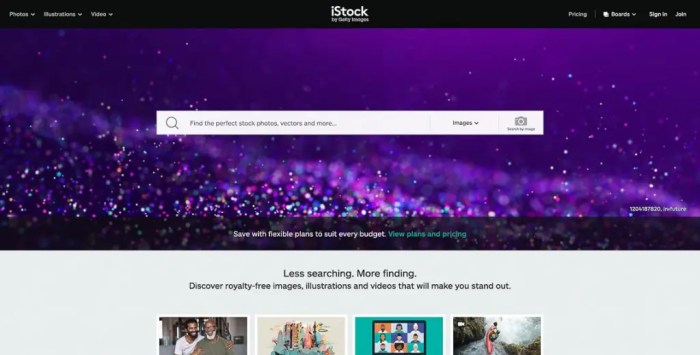
- iStock by Getty Images: iStock is another popular platform with a large customer base. Photographers have the option to sell exclusive or non-exclusive images, with earnings ranging from 15% to 45% based on the type of license sold. This flexibility allows photographers to choose how they wish to monetize their work.
- Fotolia: Acquired by Adobe, Fotolia allows photographers to sell stock images with a straightforward pricing structure. Earnings vary depending on the size of the image and the customer’s subscription plan, providing photographers with multiple ways to earn money.
- Alamy: Alamy is known for its expansive image library and offers a generous commission rate of 50% on sales. This platform is particularly appealing for photographers specializing in editorial or unique content, as it allows for a broader audience reach.
“Selecting the right platform can significantly impact your sales potential and overall experience as a photographer.”
When choosing a platform, consider not only the commission rates but also the specific audience each platform attracts and the promotional tools available to help you get your work noticed. Whether you’re aiming for a niche market or broader exposure, there’s likely a platform that aligns with your goals.
Marketing Strategies for Selling Photos
In the competitive world of photography, effective marketing strategies are essential for standing out and generating sales. A strong marketing approach not only increases visibility but also helps in building a loyal customer base. This section Artikels key strategies that can elevate your photographic endeavors and drive online sales.
Effective Marketing Strategies for Promoting Photography Online
A well-rounded marketing strategy encompasses various tactics that can be tailored to suit individual styles and target audiences. Here are some effective approaches to consider:
- Utilize Social Media Platforms: Leverage platforms like Instagram, Facebook, and Pinterest to showcase your photography. Use high-quality images, engaging captions, and relevant hashtags to reach a wider audience.
- Start a Blog: Create a photography blog to share insights, tips, and stories behind your photos. This not only engages your audience but also helps with , driving organic traffic to your portfolio.
- Email Marketing: Build an email list to keep your followers updated on new work, promotions, and photography tips. Personalized emails can significantly enhance customer loyalty.
- Collaborate with Influencers: Partner with social media influencers or other photographers to expand your reach. Their endorsement can introduce your work to a new audience.
- Run Paid Advertising Campaigns: Invest in targeted ads on platforms like Facebook and Instagram, which allow you to specify demographics and interests, reaching potential buyers effectively.
Building a Personal Brand as a Photographer
Creating a personal brand as a photographer is crucial for establishing credibility and recognition. Here’s a plan to help you build a distinct brand identity:
- Define Your Niche: Identify your unique style and the type of photography you want to specialize in, whether it’s portrait, landscape, or product photography.
- Create a Consistent Visual Identity: Develop a cohesive aesthetic across all platforms, including your website and social media profiles, using similar colors, fonts, and styles.
- Craft a Compelling Bio: Write an engaging bio that reflects your personality and passion for photography. Include your achievements and what sets you apart from others.
- Engage with Your Audience: Respond to comments, host Q&A sessions, and share behind-the-scenes content to connect with your followers and build rapport.
- Showcase Testimonials: Encourage satisfied clients to provide testimonials and display them prominently on your website or social media profiles to build trust with new customers.
Successful Social Media Campaigns to Sell Photos
Social media campaigns can effectively drive sales when executed thoughtfully. Here are examples of successful campaigns that can inspire your approach:
- Hashtag Challenges: A photographer launched a “30 Days of Photography” challenge on Instagram, encouraging users to share their photos using a specific hashtag. This not only increased engagement but also showcased the photographer’s work to a broader audience.
- Seasonal Promotions: During holidays, a photographer ran a campaign offering discounts on prints. They created festive, themed posts that attracted seasonal customers looking for gift ideas.
- Behind-the-Scenes Stories: Sharing stories about the creative process behind specific photos garnered interest and made followers feel more connected to the work. This garnered appreciation and increased the likelihood of purchases.
- Contests and Giveaways: Hosting a contest where followers can win a free print by sharing the post with friends effectively increases reach and engagement, leading to more potential customers.
Effective marketing strategies, combined with a strong personal brand, can significantly enhance your ability to sell photos online.
Technical Aspects of Selling Photos
Establishing a successful online presence for selling photos involves more than just capturing stunning images; it requires a solid understanding of technical aspects. Essential elements such as web hosting, domain names, web design, and image enhancement tools play a critical role in creating a professional photography website that attracts customers and drives sales.
Web Hosting and Domain Names
Choosing the right web hosting service and domain name is vital for any photography business. A reliable web hosting service ensures that your website is accessible 24/7, providing a stable and fast experience for visitors. This is especially important for photographers who need to showcase high-resolution images efficiently. The domain name acts as your online identity, representing your brand and making it easier for potential customers to find you.
A memorable and relevant domain name can enhance your search engine optimization () efforts, driving more organic traffic to your site.Consider the following factors when selecting web hosting and domain names:
- Hosting Reliability: Choose a provider known for uptime and customer support, such as Bluehost or SiteGround.
- Domain Relevance: Select a domain that reflects your photography niche, like “NaturePhotographyByJohn.com”.
- Scalability: Ensure your hosting plan can grow with your business, accommodating increased traffic as you gain more customers.
Web Design and Development Tools
The tools you use to design and develop your photography website significantly impact how your portfolio is perceived. A well-structured, visually appealing site enhances user experience and encourages visitors to explore your work further. Key features of effective web design for photographers include:
- Responsive Design: Ensure the website looks great on all devices, including desktops, tablets, and smartphones. Use platforms like WordPress with responsive themes.
- Portfolio Showcasing: Utilize gallery plugins, such as Envira Gallery, to create attractive image displays without sacrificing loading speed.
Incorporating these elements can lead to a professional presentation that resonates with potential buyers.
Software and Graphics Tools for Image Enhancement
Before selling photos, utilizing the right software and graphics tools for image enhancement is crucial. High-quality images are more appealing to customers, ultimately increasing sales potential. Popular software and tools for enhancing images include:
- Adobe Photoshop: Industry-standard software for photo editing, offering powerful features like retouching and color correction.
- Lightroom: Ideal for batch processing and organizing photos, allowing photographers to manage large collections effectively.
- Canva: A user-friendly tool for creating marketing materials and social media posts to promote your photography.
Investing time in learning these tools ensures that your images stand out, attracting more buyers and enhancing your brand’s reputation.
“Quality images create a lasting impression, and the right tools help you achieve that.”
Outcome Summary
In conclusion, the journey to sell photos online for cash is both exciting and rewarding. With the right platforms, marketing strategies, and technical know-how, you can successfully navigate this vibrant marketplace. Remember, building a personal brand and enhancing your photography skills are key to standing out. Embrace the challenges and opportunities that come your way, and soon you’ll be reaping the benefits of your passion.
FAQs
What types of photos sell best online?
Stock images, lifestyle shots, and high-quality landscapes tend to be popular among buyers.
Do I need a portfolio to sell photos online?
While not mandatory, having a portfolio helps showcase your style and attract potential customers.
How much can I earn by selling photos online?
Earnings vary widely based on the platform, the quality of your photos, and your marketing efforts.
Can I sell photos taken on my smartphone?
Yes, many platforms accept smartphone photos as long as they are of high quality.
Are there any copyright issues I need to be aware of?
Yes, ensure you own the rights to the photos you sell and understand the licensing agreements of the platforms you use.